Newline produces effective courses for aspiring lead developers
Explore wide variety of content to fit your specific needs
article
NEW RELEASE
Free

Practical Guide: Implementing AI for Predictive Maintenance
Predictive maintenance is a data-driven strategy that leverages analytics and real-time monitoring to anticipate equipment failures before they occur. Unlike reactive or scheduled maintenance, this approach uses sensor data and historical performance metrics to optimize maintenance schedules, reducing unplanned downtime and extending asset lifespans . Its benefits include cost savings from avoiding catastrophic failures, improved operational efficiency, and enhanced safety for personnel and systems . For example, manufacturers adopting predictive maintenance report downtime reductions of up to 50% and maintenance cost savings of 25–30% . These advantages stem from the ability to prioritize maintenance tasks based on actual asset conditions rather than fixed intervals . Artificial intelligence (AI) enhances predictive maintenance by enabling faster, more accurate analysis of complex datasets. Traditional methods often struggle with the volume and variability of sensor data, but AI algorithms can detect subtle patterns indicative of potential failures . Machine learning models, such as supervised learning techniques, are trained on historical equipment data to predict future performance degradation . For instance, Siemens employs AI to generate maintenance recommendations for industrial machines, ensuring recommendations adapt to evolving operational conditions . AI also integrates with IoT sensors to provide real-time insights, allowing organizations to respond to anomalies before they escalate into critical issues . This capability is particularly valuable in industries like energy and manufacturing, where equipment reliability directly impacts productivity . AI-driven predictive maintenance relies on a combination of machine learning, statistical analysis, and edge computing. Supervised learning algorithms predict equipment failures by correlating sensor data (e.g., temperature, vibration) with past failure events . See the section for more details on supervised learning techniques. Unsupervised learning techniques, such as clustering, identify abnormal patterns in unlabeled datasets, flagging potential issues for further investigation . Reinforcement learning is also emerging as a tool for dynamic maintenance optimization, where models learn optimal intervention strategies through iterative feedback . Additionally, AI systems leverage digital twins—virtual replicas of physical assets—to simulate scenarios and test maintenance protocols without disrupting operations . These techniques are often deployed using cloud-based platforms, which aggregate data from distributed assets and apply scalable AI models to generate actionable insights . See the section for insights on balancing edge and cloud computing demands.
article
NEW RELEASE
Free

AI Applications Checklist: Model Context Protocol (MCP) Server
The Model Context Protocol (MCP) Server is an open protocol framework designed to facilitate seamless integration between large language model (LLM) applications and external data sources, tools, and systems. As defined by the protocol’s architecture, MCP servers act as standardized intermediaries, exposing capabilities like file system access, database queries, or API interactions through secure, programmatic interfaces . This enables AI applications—such as chatbots, agent systems, or IDE assistants—to dynamically access contextual information without requiring hardcoded dependencies . For instance, Asana’s MCP server allows AI assistants to retrieve work management data via app integrations, while local MCP servers can grant controlled access to file systems or calculators ; see the section for further details on Asana’s integration. By abstracting resource interactions into a unified protocol, MCP reduces friction in extending AI applications to domain-specific workflows . MCP servers play a critical role in bridging the gap between LLMs and real-world operational contexts. According to the protocol’s architecture, MCP operates on a client-server model where the AI application acts as the host, managing one or more clients that interface with MCP servers . This design allows developers to expose tools like search engines, enterprise databases, or custom APIs as modular components, which AI systems can invoke during task execution . For example, Anthropic highlights that MCP simplifies connecting Claude to local files or external services, enhancing its ability to address user requests with up-to-date or proprietary data . The protocol’s flexibility is further demonstrated by its adoption in edge AI systems, where MCP servers provide secure access to distributed resources while maintaining compliance with cybersecurity standards ; see the section for critical considerations in securing these integrations. By standardizing these integrations, MCP reduces development overhead and ensures interoperability across diverse tooling ecosystems . Given the protocol’s complexity and security implications, a structured implementation checklist is essential to ensure reliable and secure MCP server deployment. The Model Context Protocol’s design emphasizes layered architecture, requiring coordination between hosts, clients, and servers to maintain data integrity and access control . For instance, enterprise-grade MCP implementations must address risks like unauthorized API access or data leakage, as noted in security analyses of the protocol . Additionally, benchmarking studies reveal variability in how MCP servers handle real-world tasks, underscoring the need for standardized validation processes ; refer to the section for techniques to identify and resolve performance bottlenecks. A checklist ensures consistency in areas such as authentication, resource permissions, and error handling—critical factors when deploying MCP servers in production environments . Without rigorous adherence to best practices, even well-intentioned integrations may introduce vulnerabilities or performance bottlenecks, limiting the scalability of AI applications . By systematically addressing these challenges, teams can leverage MCP’s full potential while minimizing operational risks.
article
NEW RELEASE
Free

How to Implement MCP Server in Drug Discovery AI
MCP Server, or Model Context Protocol Server, is a specialized framework designed to bridge AI systems with domain-specific databases and tools, particularly in drug discovery research. It enables seamless integration of biomedical data, chemical informatics, and clinical knowledge into AI workflows by acting as an intermediary between large language models (LLMs) and scientific databases. For instance, the ChEMBL-MCP-Server, developed by Augmented Nature, provides 22 specialized tools for querying chemical structures, pharmacological profiles, and experimental data, directly supporting AI-driven drug discovery tasks . Similarly, FDB’s MCP Server enhances AI clinical decision support by extending access to drug databases beyond traditional APIs, offering tools tailored for biomedical research . These implementations highlight the server’s role in contextualizing AI outputs with domain-specific knowledge, a critical requirement for drug discovery where accuracy and relevance are paramount. See the Real-World Applications section for more details on implementations like these. Drug discovery AI relies on the synthesis of vast, heterogeneous datasets—including molecular structures, biological assays, and clinical trial results—to identify potential drug candidates. However, AI models operating in isolation from these data sources often produce outputs that lack scientific validity or actionable insights. This is where MCP Server becomes essential. By embedding AI systems with direct access to curated databases like ChEMBL or Open Targets, MCP Server ensures that models can dynamically retrieve, process, and apply domain-specific information during inference. For example, the BioMCP toolkit explicitly connects AI models to drug discovery pipelines, enabling real-time integration of biopharmaceutical data . This approach not only accelerates hypothesis generation but also reduces the risk of errors stemming from outdated or incomplete data. The implementation of MCP Server in drug discovery AI offers three primary benefits: data contextualization , multi-agent collaboration , and tool interoperability . First, by linking AI models to specialized databases, MCP Server ensures that outputs are grounded in scientifically validated information. As mentioned in the Optimizing section, leveraging advanced RAG techniques enhances this data contextualization. The Azure AI Foundry Labs’ MCP Server, for instance, equips GitHub Copilot with custom biomedical data to refine drug discovery workflows . Second, MCP Server supports multi-agent systems where multiple AI agents collaborate on tasks like molecular design or toxicity prediction. The Tippy AI Agent Pod, which uses MCP Server for external client access, demonstrates how distributed agents can share context while maintaining task-specific focus . Third, the server’s tool interoperability allows integration with existing scientific software, such as chemical informatics platforms, without requiring extensive re-engineering .
article
NEW RELEASE
Free

AI in Maintenance Forecasting
Watch: AI-Based Predictive Maintenance in 4 Steps by Ronald van Loon AI in maintenance forecasting refers to the application of artificial intelligence technologies to analyze historical and real-time data, enabling the prediction of equipment maintenance needs such as labor, costs, and resource requirements . This approach leverages machine learning algorithms to process sensor data, detect patterns, and forecast potential failures or degradation in machinery and infrastructure . By integrating AI into maintenance workflows, organizations move beyond reactive or scheduled maintenance toward predictive strategies that optimize operational efficiency . For example, AI-driven systems can monitor solar panels using IoT sensors to predict degradation or battery wear, addressing limitations of traditional monitoring apps that only track energy output . The shift to AI-based forecasting is critical in industries where unplanned downtime incurs significant costs, such as manufacturing, energy, and transportation . See the Predictive Maintenance using AI section for more details on how AI-driven predictive strategies reduce downtime and optimize resource allocation. AI in maintenance forecasting primarily supports predictive maintenance, which uses data-driven models to estimate the remaining useful life (RUL) of equipment and identify failure risks . Unlike traditional preventive maintenance—where tasks are performed at fixed intervals—predictive maintenance relies on real-time sensor inputs and historical performance metrics to tailor interventions . Generative AI further enhances this by simulating scenarios and generating maintenance schedules that account for variables like environmental conditions or usage patterns . For instance, AI models applied to wind turbines analyze vibration and temperature data to forecast component failures, reducing unplanned outages . These systems often integrate with digital twins, virtual replicas of physical assets that enable real-time monitoring and scenario testing for maintenance planning . See the Condition-Based Maintenance using AI section for more details on how digital twins and real-time sensor data support maintenance decision-making. The combination of sensor data, machine learning, and generative models forms the backbone of modern maintenance forecasting .
article
NEW RELEASE
Free

How To Implement AI with MCP Server
The Model Context Protocol (MCP) servers act as intermediaries that enable AI systems to interact with structured data sources, providing contextual information to improve decision-making and task execution . These servers are critical for applications requiring real-time data integration, such as design-to-code conversion in tools like Figma, where the Figma MCP server supplies AI agents with design context to generate accurate code . See the section for more details on the technical requirements for custom MCP server implementations. By bridging AI models with domain-specific data, MCP servers reduce implementation complexity while ensuring scalability . ... The integration of AI with frameworks like Micronaut and LangChain4j demonstrates how developers can build scalable, context-aware applications that adapt to user needs . Building on concepts from the section, this integration highlights how MCP servers structure interactions between AI models and application logic. ... The modular nature of MCP servers also supports multi-tool integration, as seen in projects like LiteCUA, where a computer functions as an MCP server to execute AI-driven tasks across operating systems . As mentioned in the section, the open-source ethos of MCP servers further empowers developers to focus on application logic rather than infrastructure complexity.
course
Bootcamp

AI bootcamp 2
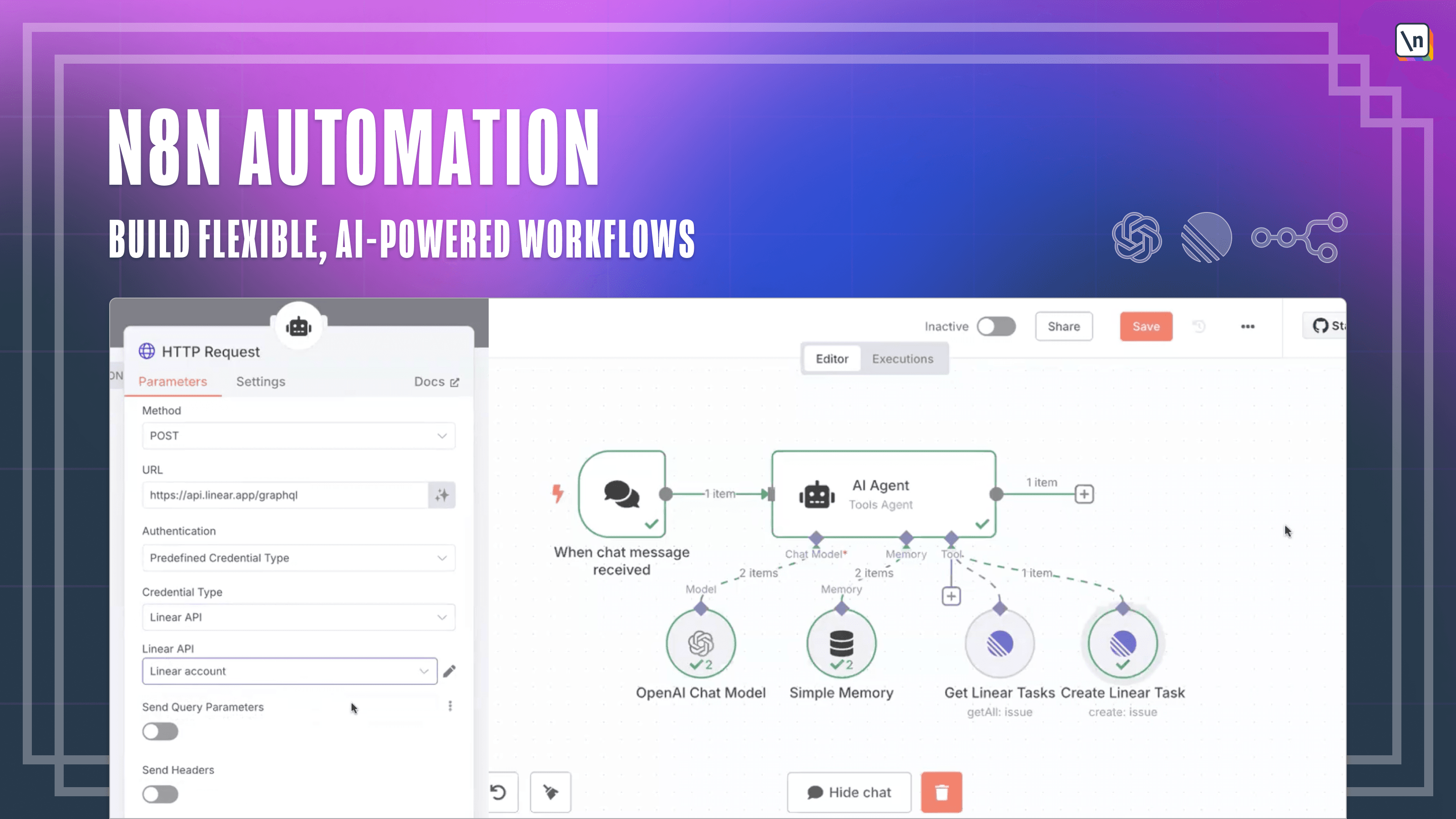
This advanced AI Bootcamp teaches you to design, debug, and optimize full-stack AI systems that adapt over time. You will master byte-level models, advanced decoding, and RAG architectures that integrate text, images, tables, and structured data. You will learn multi-vector indexing, late interaction, and reinforcement learning techniques like DPO, PPO, and verifier-guided feedback. Through 50+ hands-on labs using Hugging Face, DSPy, LangChain, and OpenPipe, you will graduate able to architect, deploy, and evolve enterprise-grade AI pipelines with precision and scalability.
course
Pro
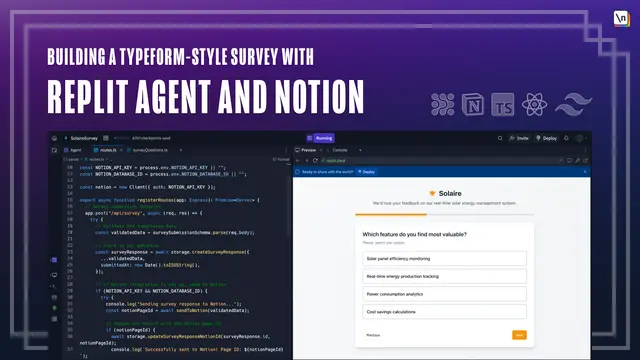
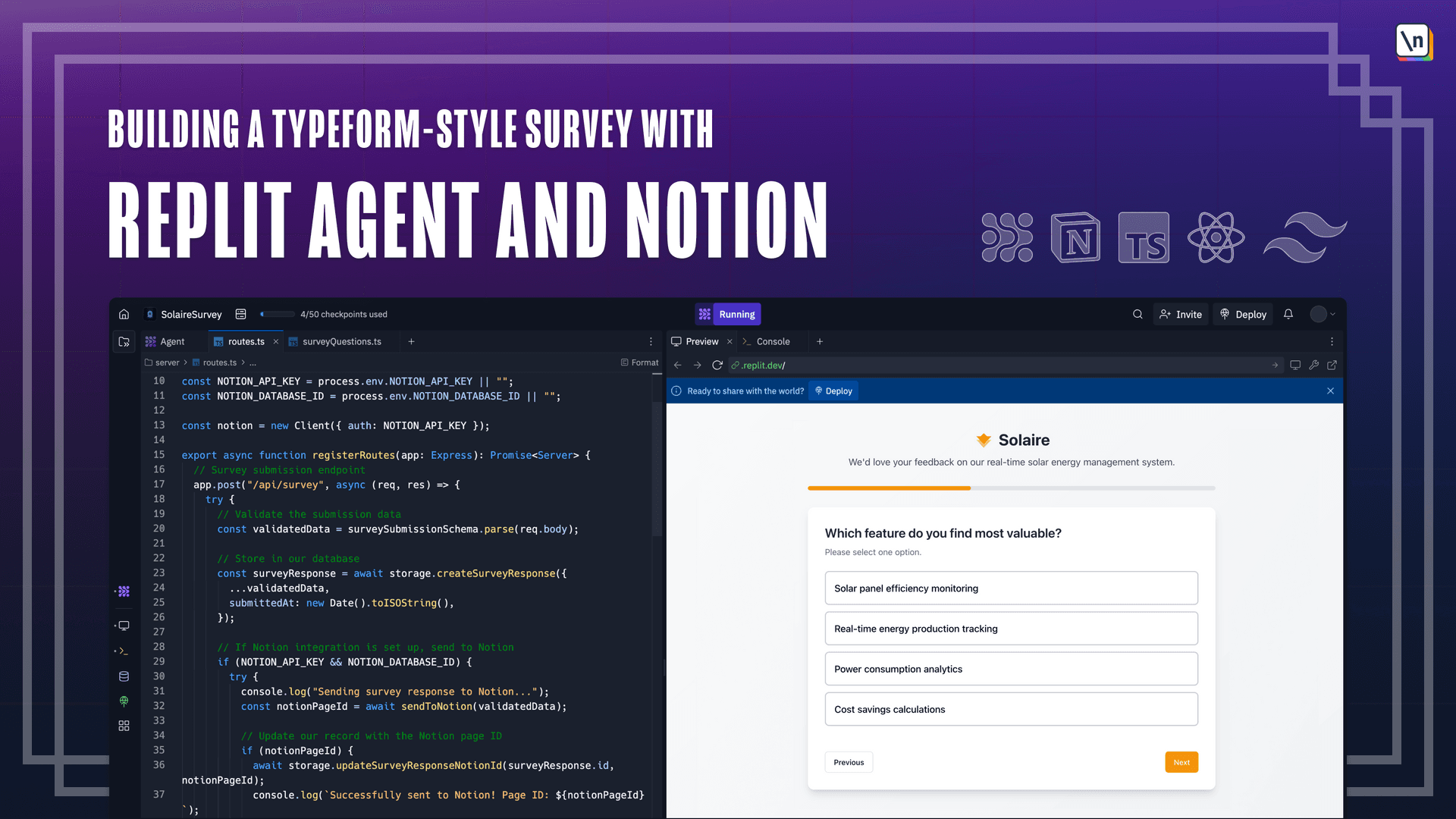
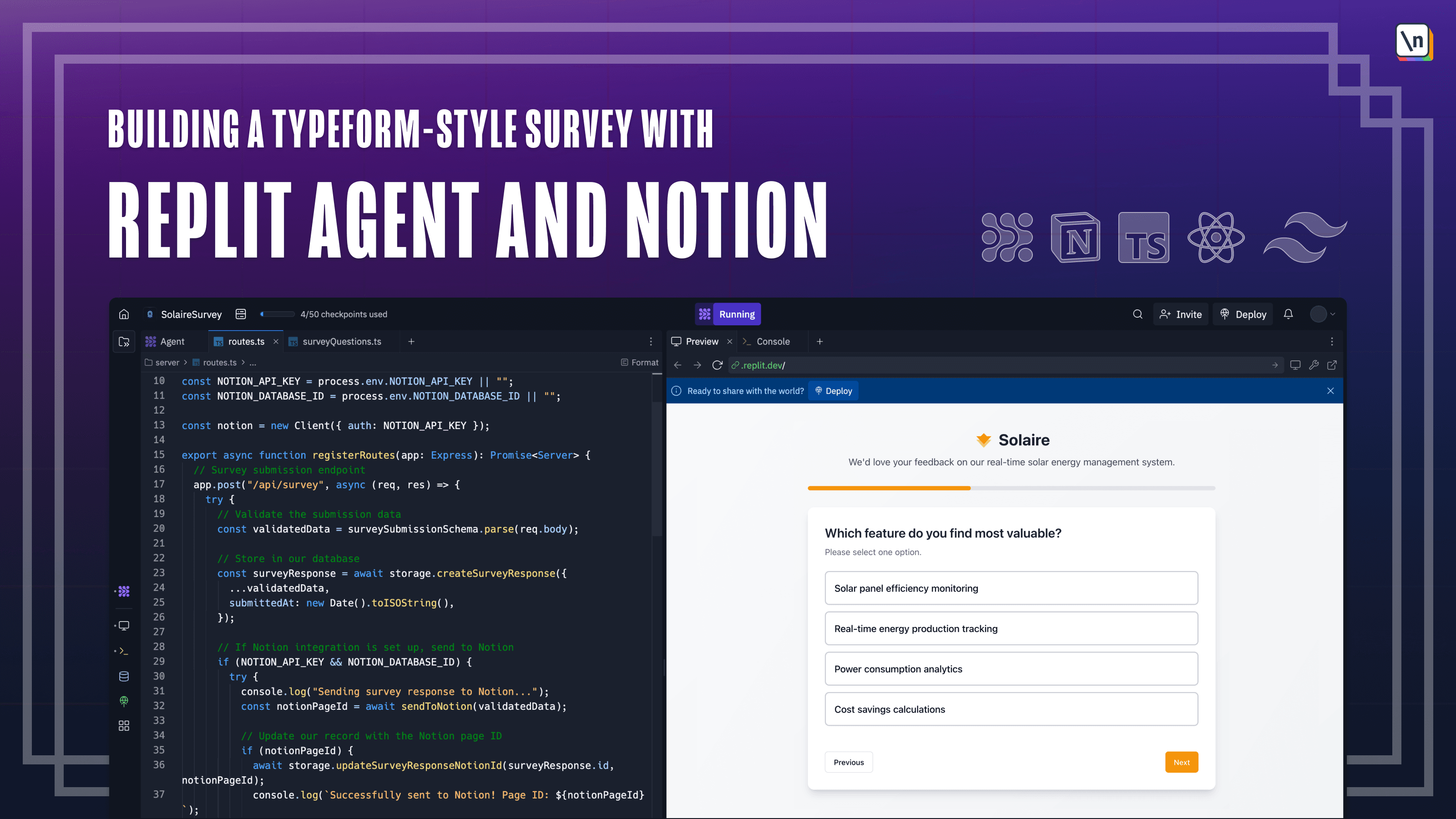
Building a Typeform-Style Survey with Replit Agent and Notion
Learn how to build beautiful, fully-functional web applications with Replit Agent, an advanced AI-coding agent. This course will guide you through the workflow of using Replit Agent to build a Typeform-style survey application with React and TypeScript. You will learn effective prompting techniques, explore and debug code that's generated by Replit Agent, and create a custom Notion integration for forwarding survey responses to a Notion database.
course
Pro
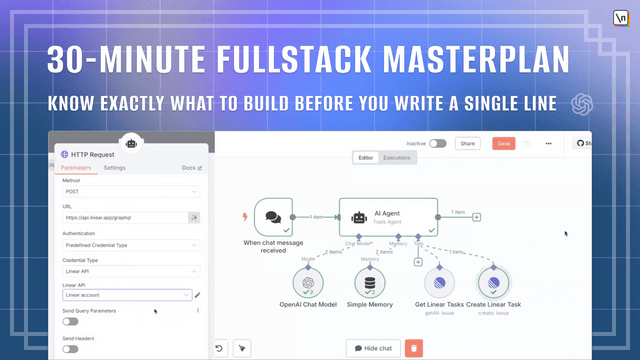
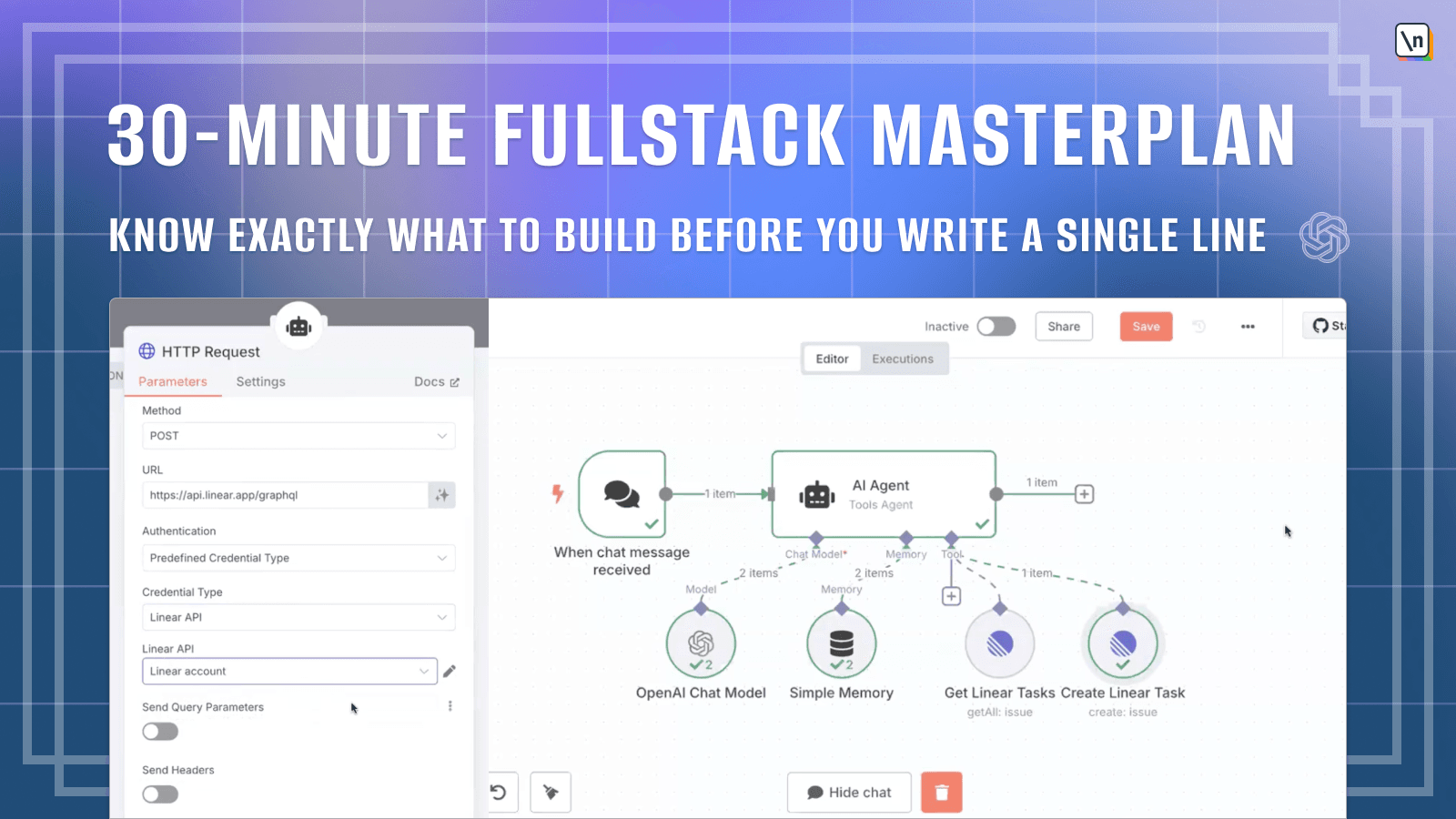
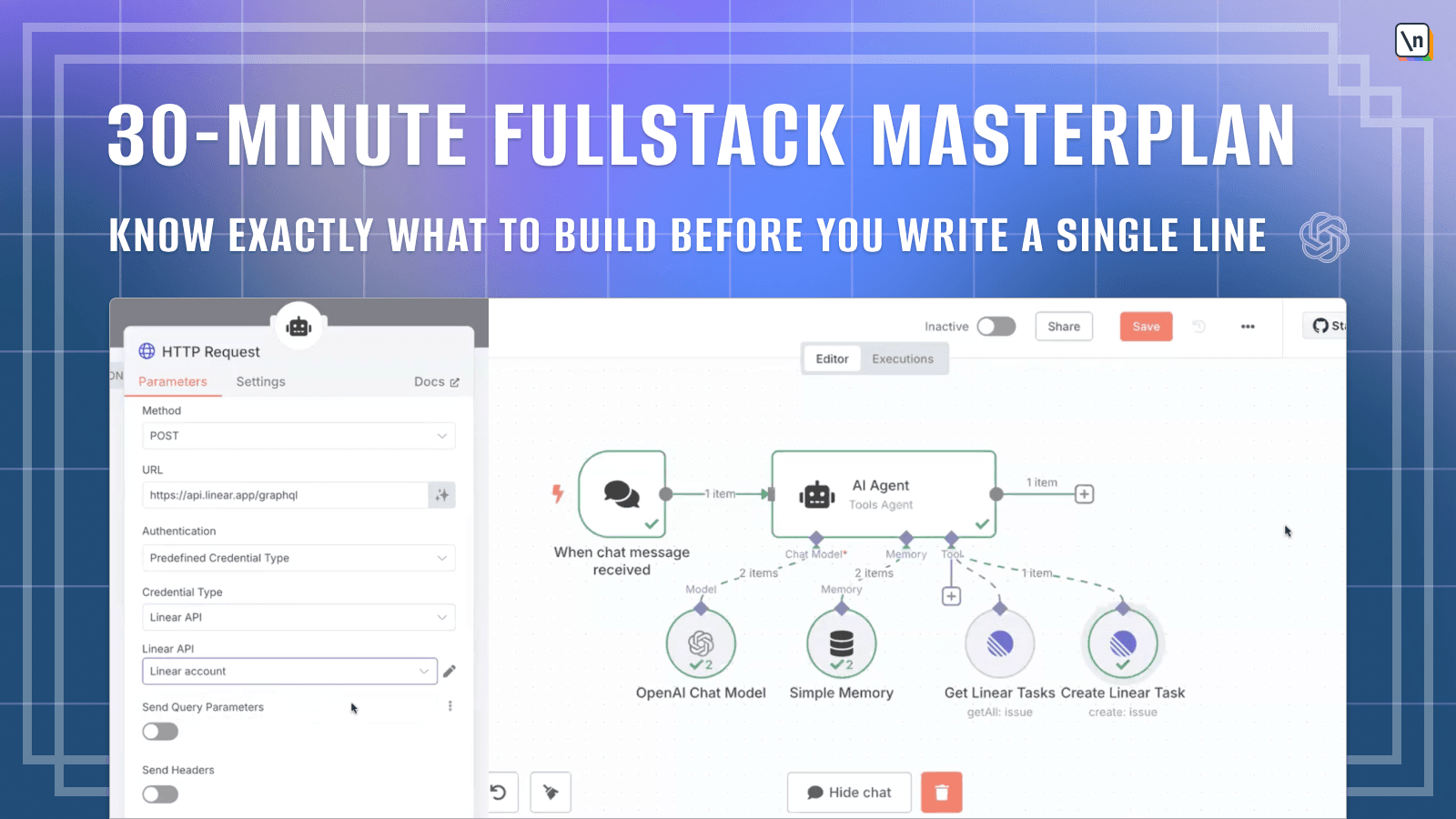
30-Minute Fullstack Masterplan
Create a masterplan that contains all the information you'll need to start building a beautiful and professional application for yourself or your clients. In just 30 minutes you'll know what features you'll need, which screens, how to navigate them, and even how your database tables should look like
course
Pro
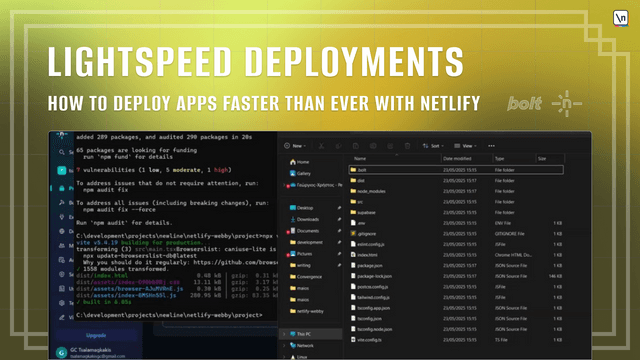
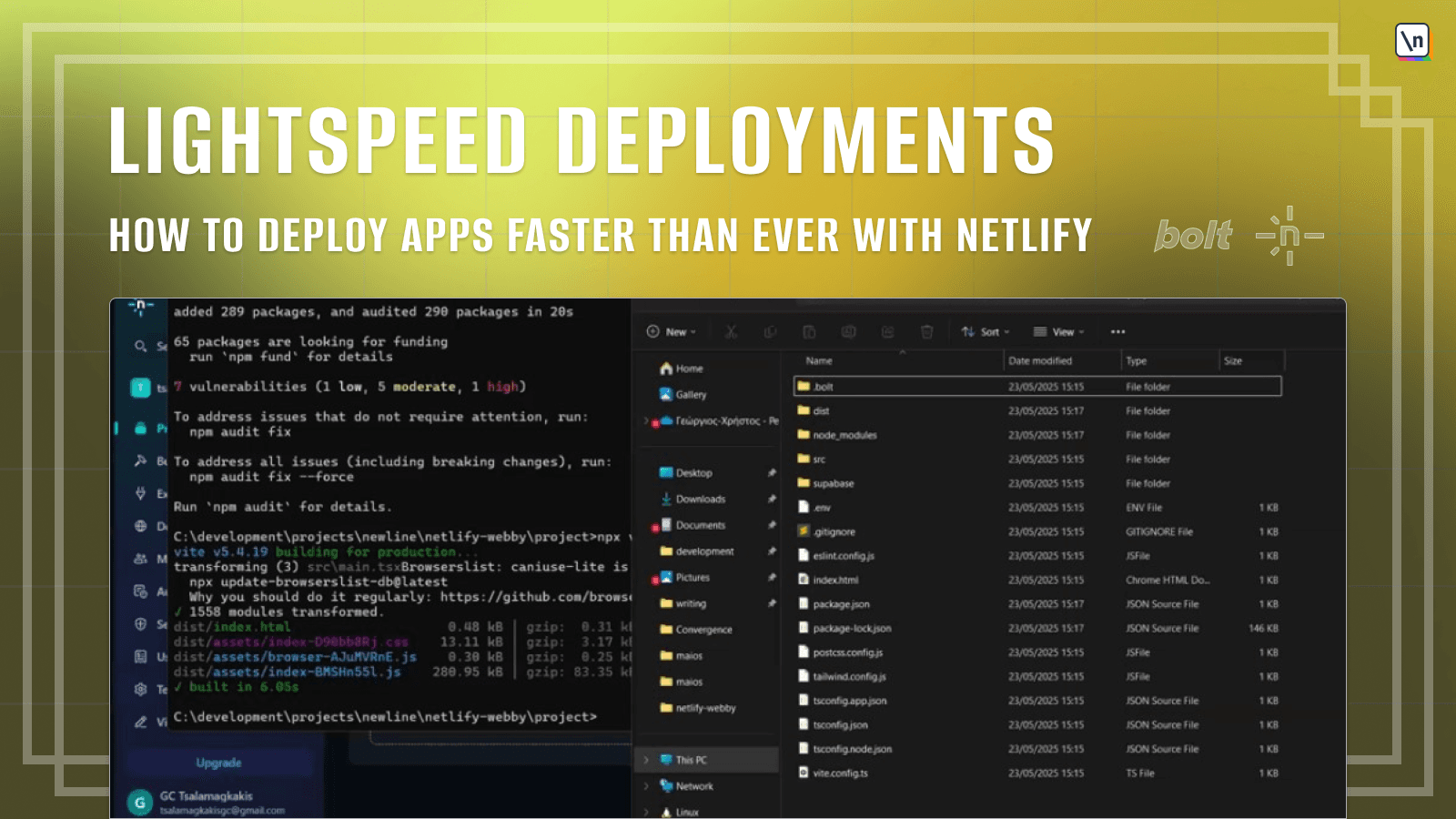
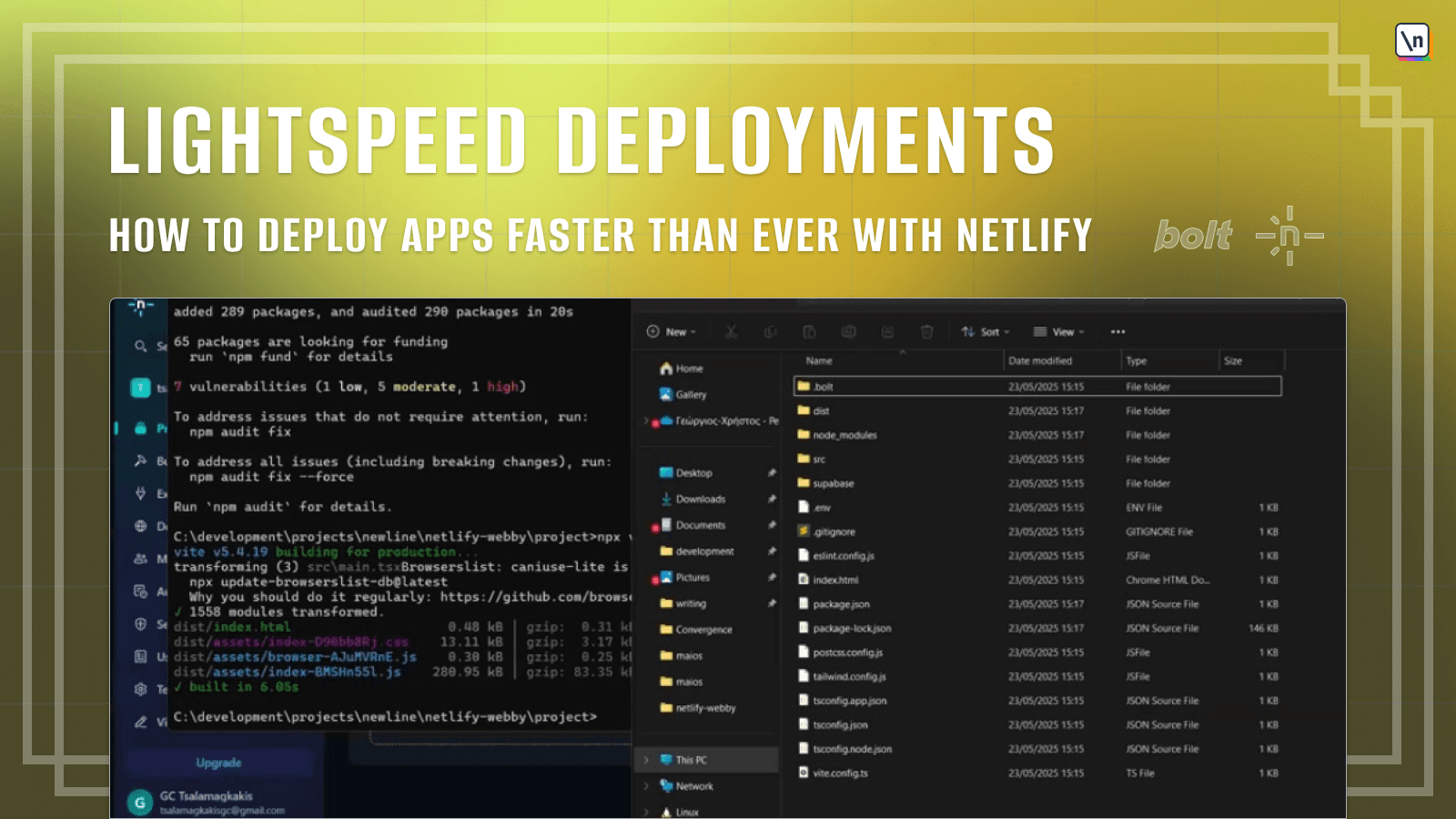
Lightspeed Deployments
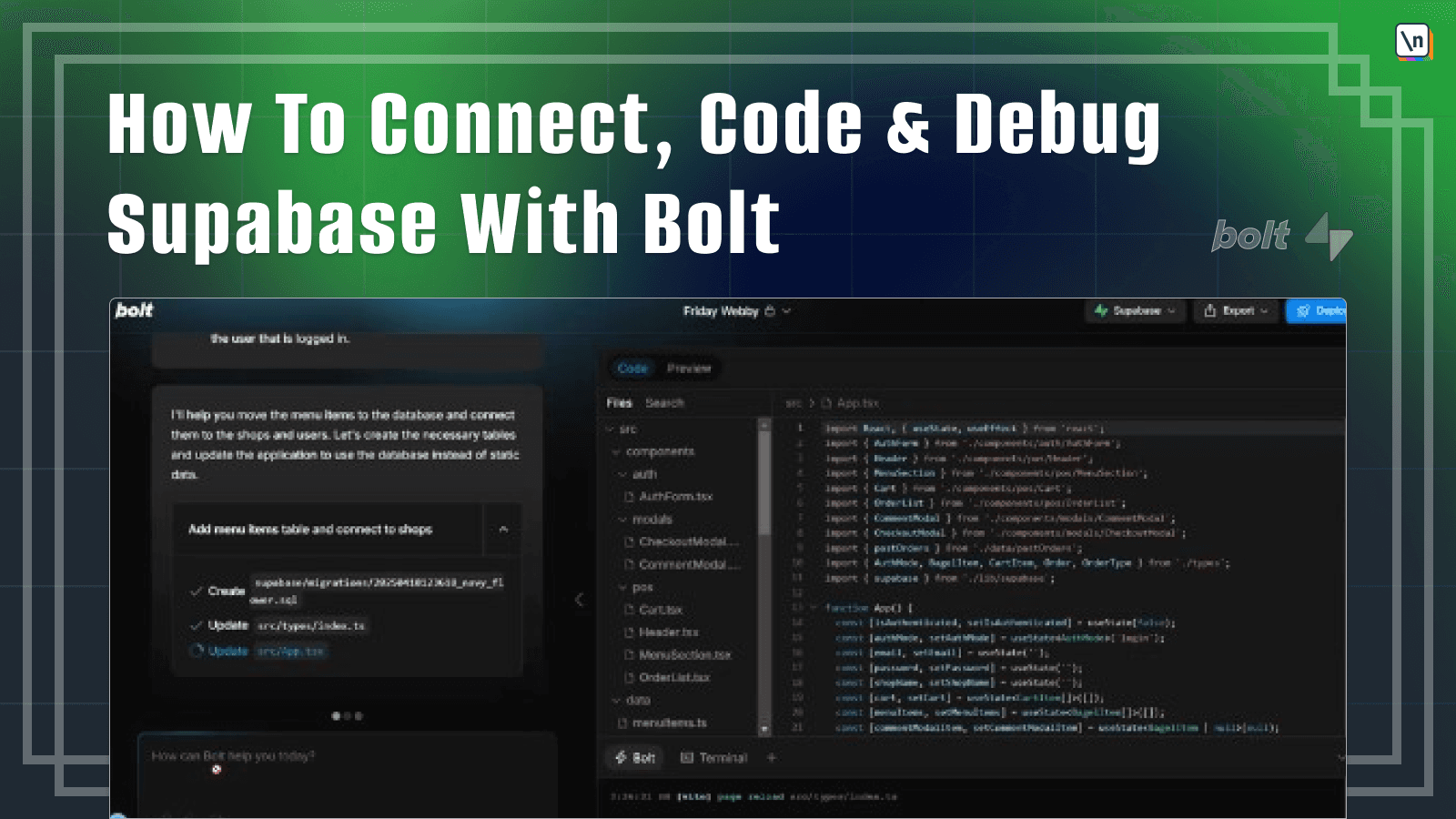
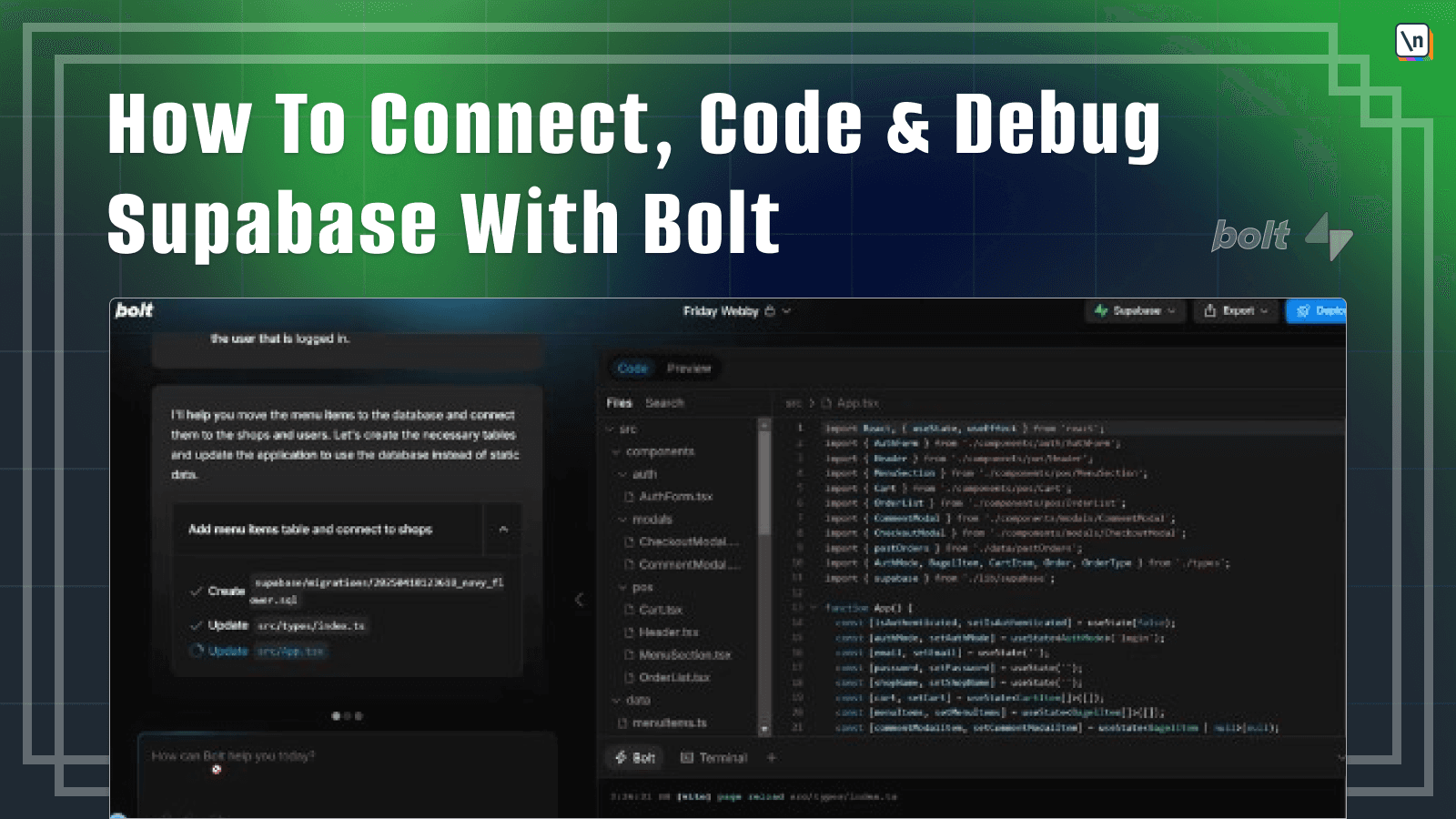
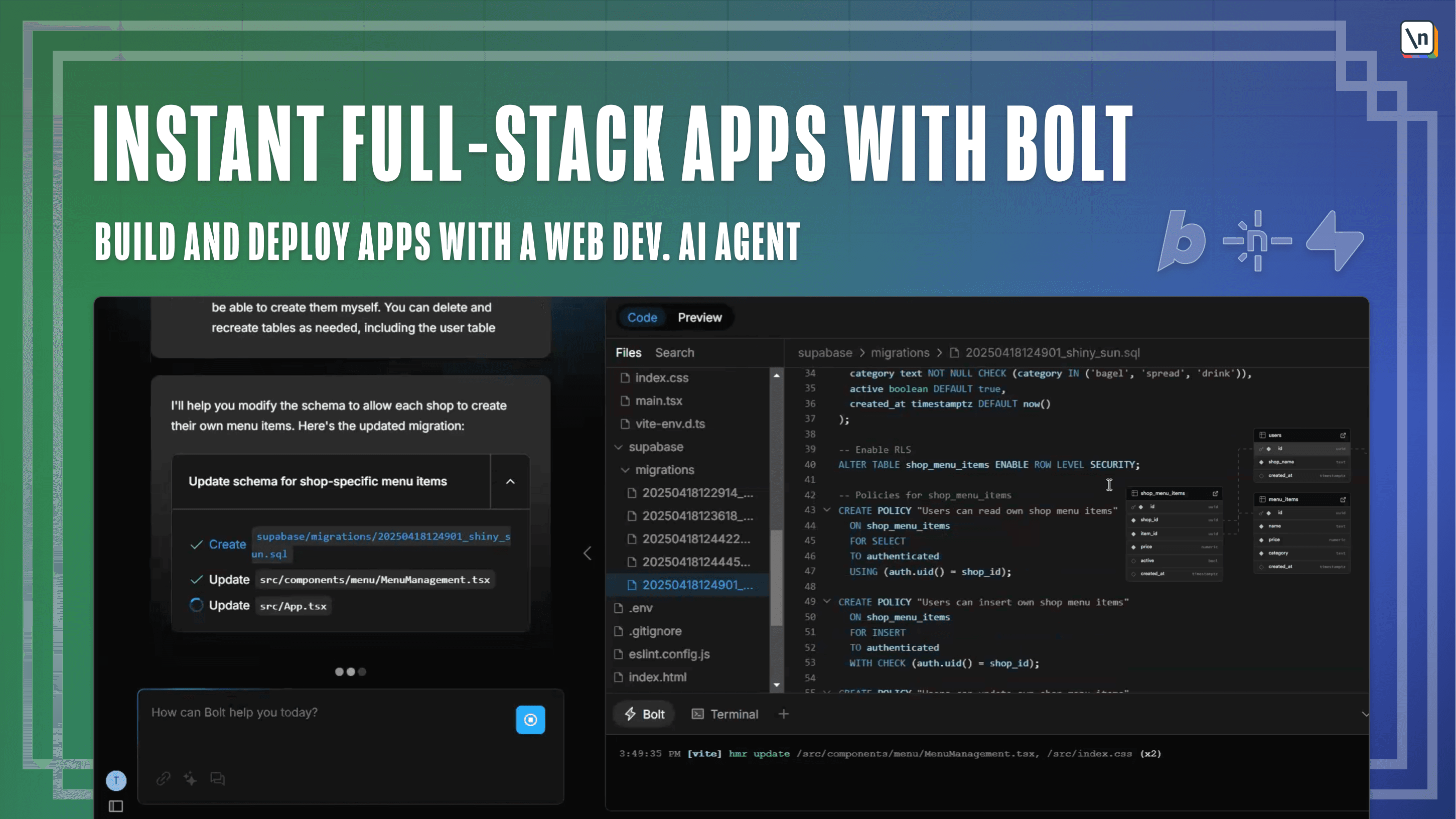
Continuation of 'Overnight Fullastack Applications' & 'How To Connect, Code & Debug Supabase With Bolt' - This workshop recording will show you how to take an app and deploy it on the web in 3 different ways All 3 deployments will happen in only 30 minutes (10 minutes each) so you can go focus on what matters - the actual app
book
Pro
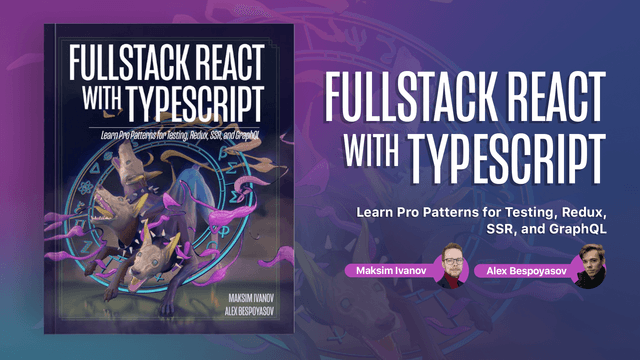
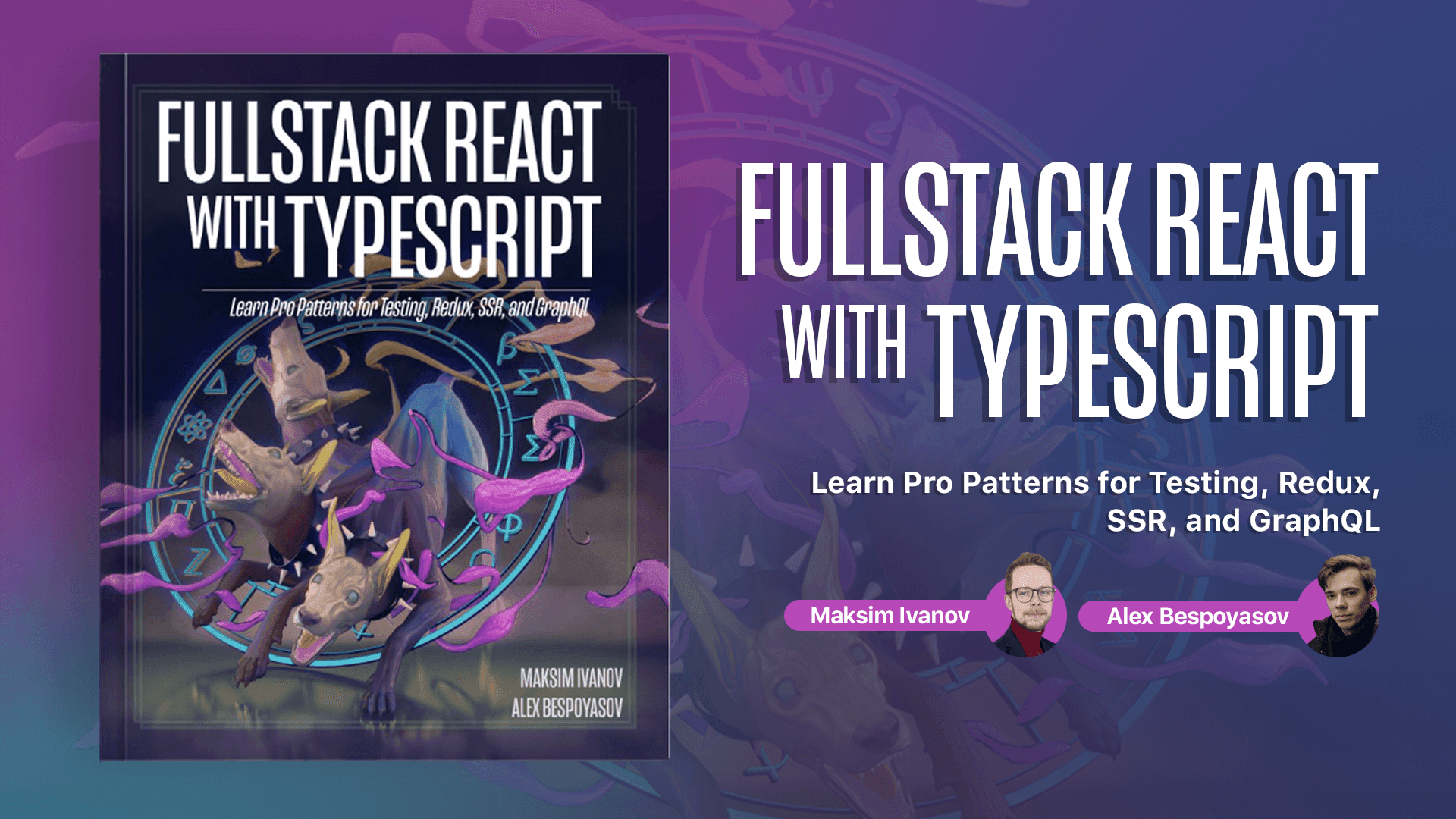
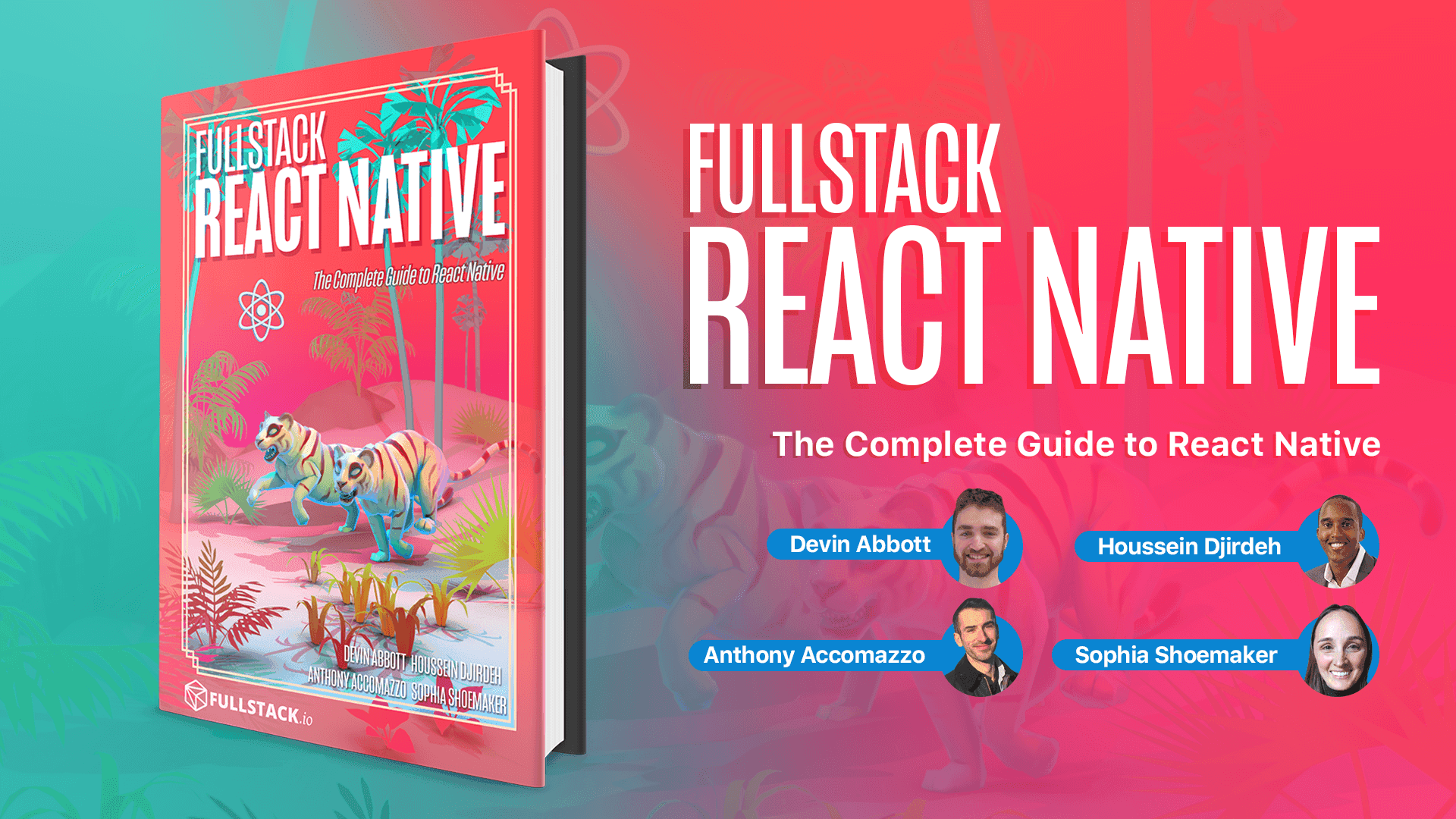
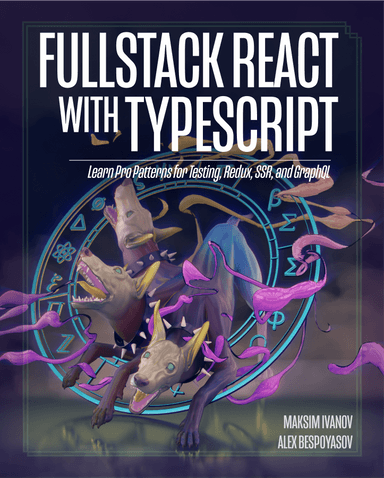
Fullstack React with TypeScript
Learn Pro Patterns for Hooks, Testing, Redux, SSR, and GraphQL
book
Pro

Security from Zero
Practical Security for Busy People
book
Pro
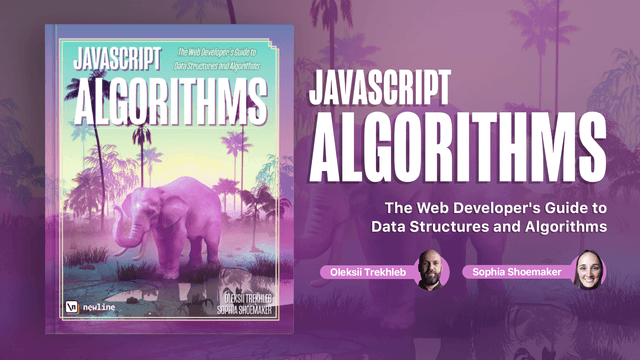
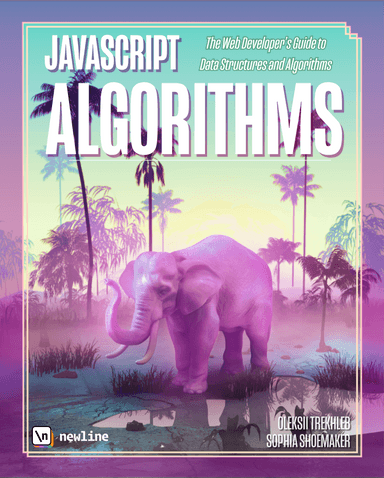
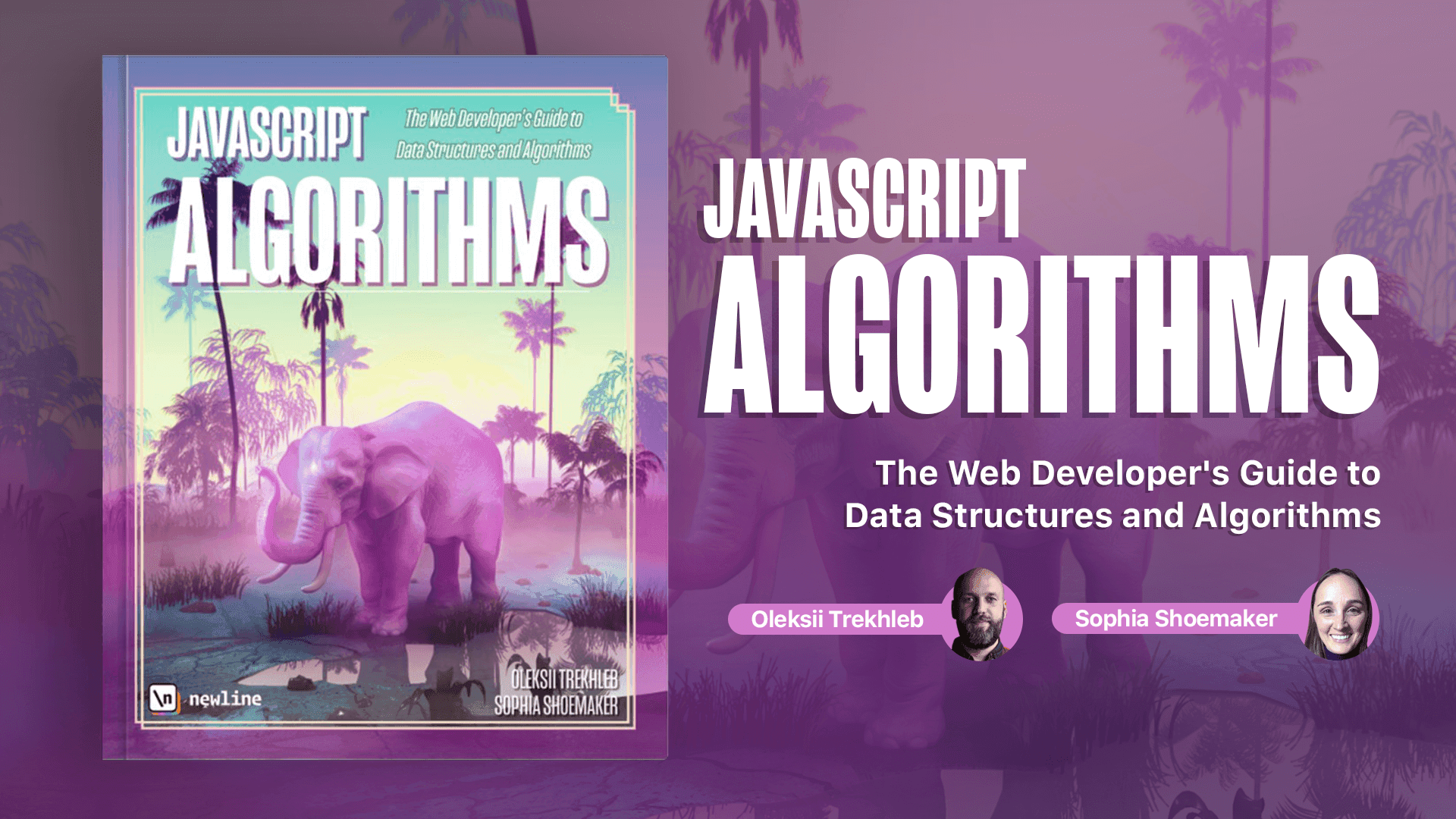
JavaScript Algorithms
Learn Data Structures and Algorithms in JavaScript
book
Pro

How to Become a Web Developer: A Field Guide
A Field Guide to Your New Career
book
Pro
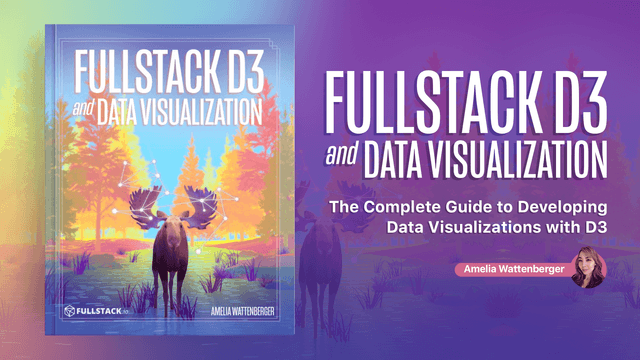
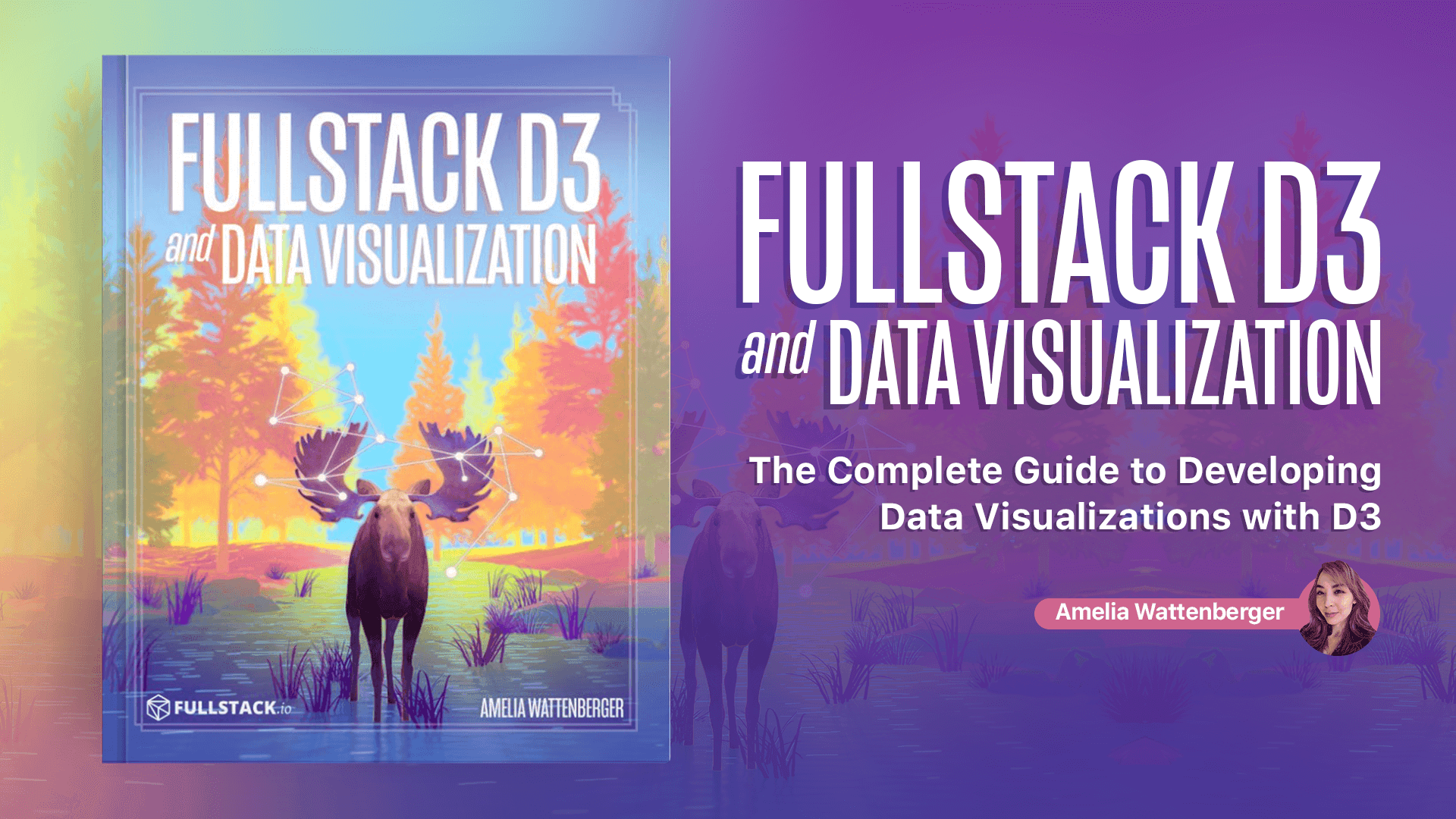
Fullstack D3 and Data Visualization
The Complete Guide to Developing Data Visualizations with D3
EXPLORE RECENT TITLES BY NEWLINE
Expand your skills with in-depth, modern web development training
Our students work at
Stop living in tutorial hell
Binge-watching hundreds of clickbait-y tutorials on YouTube. Reading hundreds of low-effort blog posts. You're learning a lot, but you're also struggling to apply what you've learned to your work and projects. Worst of all, uncertainty looms over the next phase of your career.
How do I climb the career engineering ladder?
How do I continue moving toward technical excellence?
How do I move from entry-level developer to senior/lead developer?
Learn from senior engineers who've been in your position before.
Taught by senior engineers at companies like Google and Apple, newline courses are hyper-focused, project-based tutorials that teach students how to build production-grade, real- world applications with industry best practices!
newline courses cover popular libraries and frameworks like React, Vue, Angular, D3.js and more!
With over 500+ hours of video content across all newline courses, and new courses being released every month, you will always find yourself mastering a new library, framework or tool.
At the low cost of $40 per month, the newline Pro subscription gives you unlimited access to all newline courses and books, including early access to all future content. Go from zero to hero today! 🚀
Level up with the newline pro subscription
Ready to take your career to the next stage?
newline pro subscription
- Unlimited access to 60+ newline Books, Guides and Courses
- Interactive, Live Project Demos for every newline Book, Guide and Course
- Complete Project Source Code for every newline Book, Guide and Course
- 20% Discount on every newline Masterclass Course
- Discord Community Access
- Full Transcripts with Code Snippets
Explore newline courses
Explore our courses and find the one that fits your needs. We have a wide range of courses from beginner to advanced level.
Explore newline books
Explore our books and find the one that fits your needs.
Newline fits learning into any schedule
Your time is precious. Regardless of how busy your schedule is, newline authors produce high-quality content across multiple mediums to make learning a regular part of your life.
Have a long commute or trip without any reliable internet connection options?
Download one of the 15+ books. Available in PDF/EPUB/MOBI formats for accessibility on any device
Have time to sit down at your desk with a cup of tea?
Watch over 500+ hours of video content across all newline courses
Only have 30 minutes over a lunch break?
Explore 1-minute shorts and dive into 3-5 minute videos, each focusing on individual concepts for a compact learning experience.
In fact, you can customize your learning experience as you see fit in the newline student dashboard:
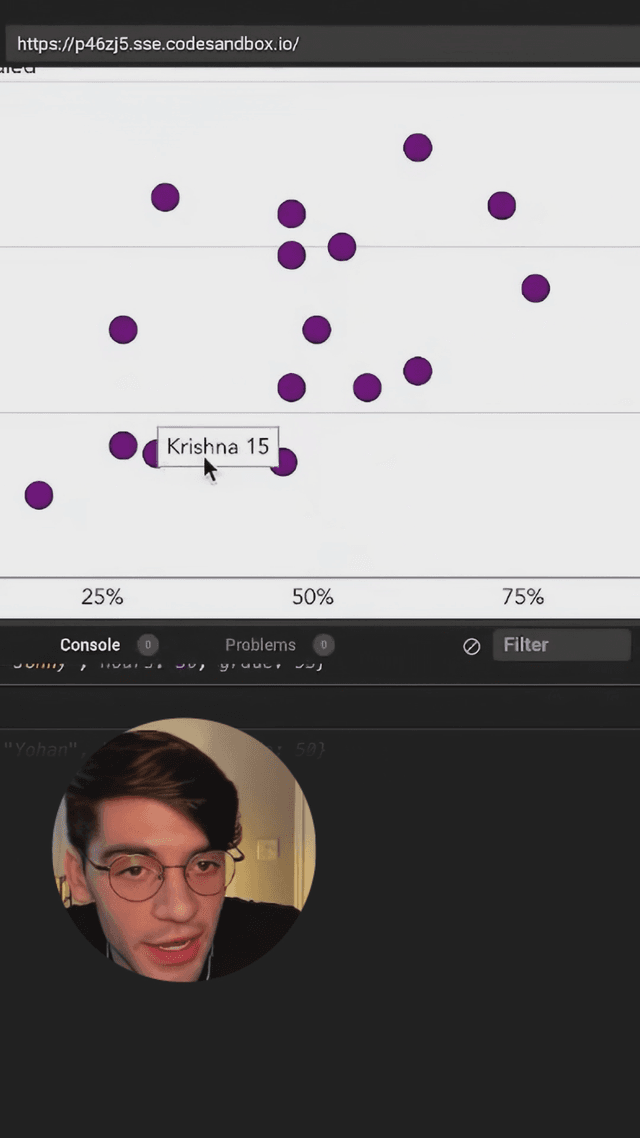
Building a Beeswarm Chart with Svelte and D3
Connor RothschildGo To Course →Hovering over elements behind a tooltip
Connor explains how setting the CSS property pointer-events to none allows users to hover over elements behind a tooltip in SVG data visualizations.
newline content is produced with editors
Providing practical programming insights & succinctly edited videos
All aimed at delivering a seamless learning experience

Find out why 100,000+ developers love newline
See what students have to say about newline books and courses
José Pablo Ortiz Lack
Full Stack Software Engineer at Pack & Pack
I got a job offer, thanks in a big part to your teaching. They sent a test as part of the interview process, and this was a huge help to implement my own Node server.
This has been a really good investment!
Meet the newline authors
newline authors possess a wealth of industry knowledge and an infinite passion for sharing their knowledge with others. newline authors explain complex concepts with practical, real-world examples to help students understand how to apply these concepts in their work and projects.
Level up with the newline pro subscription
Ready to take your career to the next stage?
newline pro subscription
- Unlimited access to 60+ newline Books, Guides and Courses
- Interactive, Live Project Demos for every newline Book, Guide and Course
- Complete Project Source Code for every newline Book, Guide and Course
- 20% Discount on every newline Masterclass Course
- Discord Community Access
- Full Transcripts with Code Snippets
LOOKING TO TURN YOUR EXPERTISE INTO EDUCATIONAL CONTENT?
At newline, we're always eager to collaborate with driven individuals like you, whether you come with years of industry experience, or you've been sharing your tech passion through YouTube, Codepens, or Medium articles.
We're here not just to host your course, but to foster your growth as a recognized and respected published instructor in the community. We'll help you articulate your thoughts clearly, provide valuable content feedback and suggestions, all towards publishing a course students will value.
At newline, you can focus on what matters most - sharing your expertise. We'll handle emails, marketing, and customer support for your course, so you can focus on creating amazing content
newline offers various platforms to engage with a diverse global audience, amplifying your voice and name in the community.
From outlining your first lesson to launching the complete course, we're with you every step of the way, guiding you through the course production process.
In just a few months, you could not only jumpstart numerous careers and generate a consistent passive income with your course, but also solidify your reputation as a respected instructor within the community.








Comments (3)