


Lessons
view all ⭢
lesson
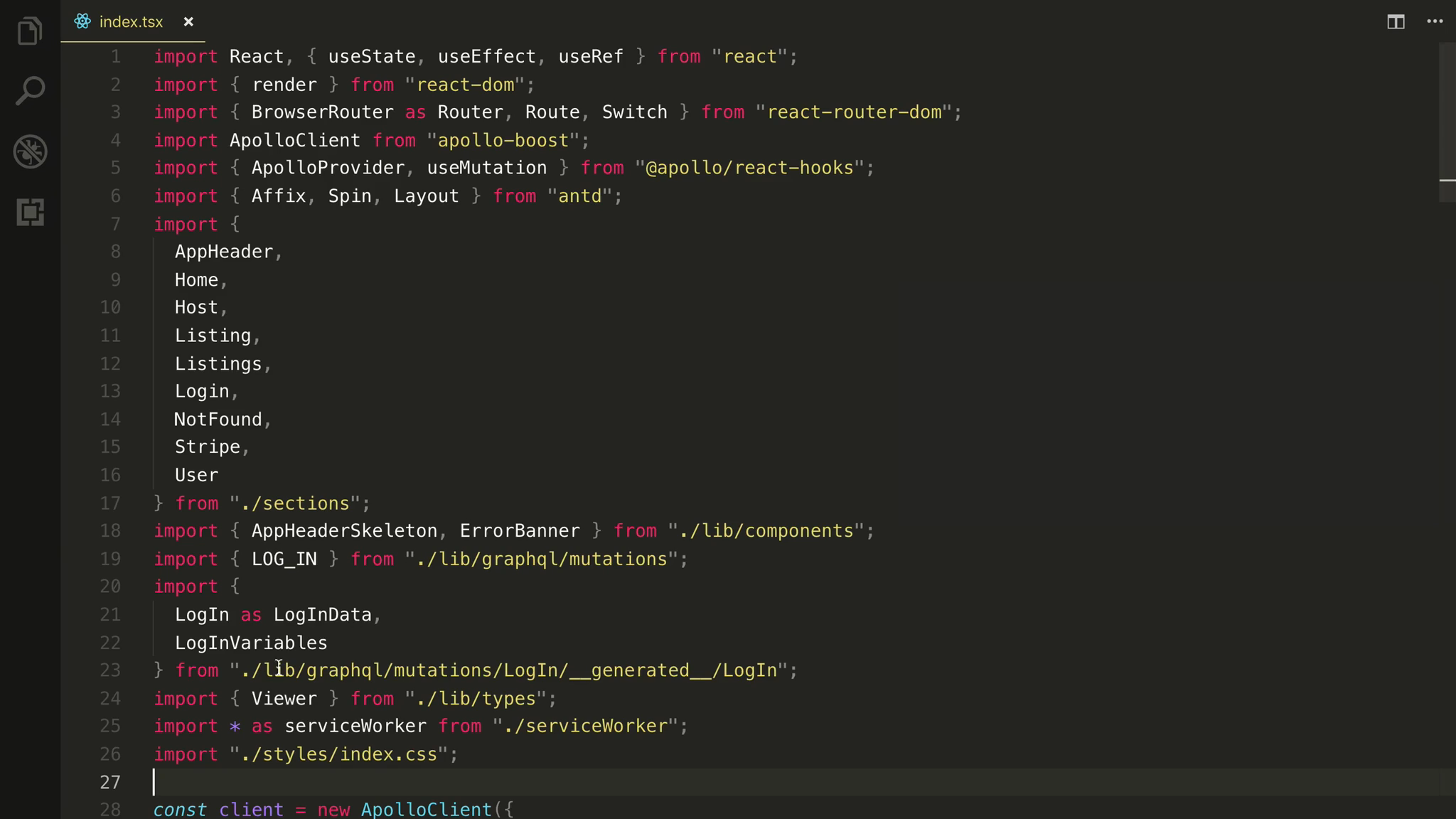
Module 10 SummaryTinyHouse: A Fullstack React Masterclass with TypeScript and GraphQL - Part TwoThis lesson is a summary of the work we've done in Module 10.0.
lesson
How to Disconnect and Remove a Client's Stripe AccountTinyHouse: A Fullstack React Masterclass with TypeScript and GraphQL - Part TwoWe've managed to create the functionality to have a logged-in user in our app connect with Stripe. In this lesson, we'll look to visually indicate that the user is in the connected state and have an action responsible for allowing the user to disconnect from Stripe.

lesson
Adding Connect with Stripe to a React AppTinyHouse: A Fullstack React Masterclass with TypeScript and GraphQL - Part TwoWe'll switch over to work in our React application and have it communicate with the server to allow a user to connect with their Stripe account on our platform.
lesson
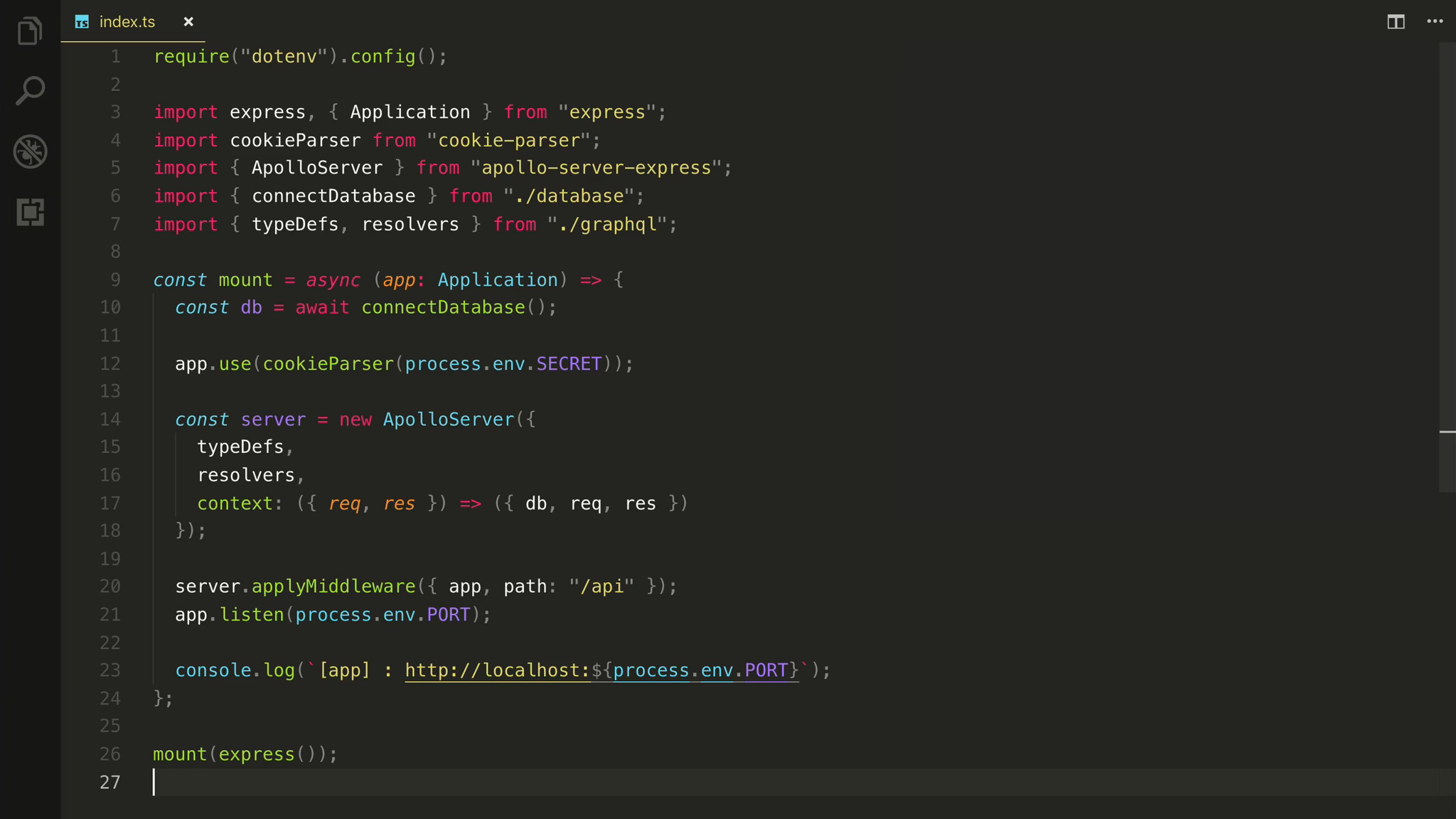
Integrating the Stripe NPM Library With React and GraphQLTinyHouse: A Fullstack React Masterclass with TypeScript and GraphQL - Part TwoWe'll continue to update the GraphQL resolver functions we've prepared to allow users to connect & disconnect from Stripe in our application.
lesson
Building a GraphQL Schema for Stripe Connect IntegrationTinyHouse: A Fullstack React Masterclass with TypeScript and GraphQL - Part TwoWe'll begin creating the GraphQL fields that we'll need to help us establish Stripe Connect OAuth in our application.
lesson
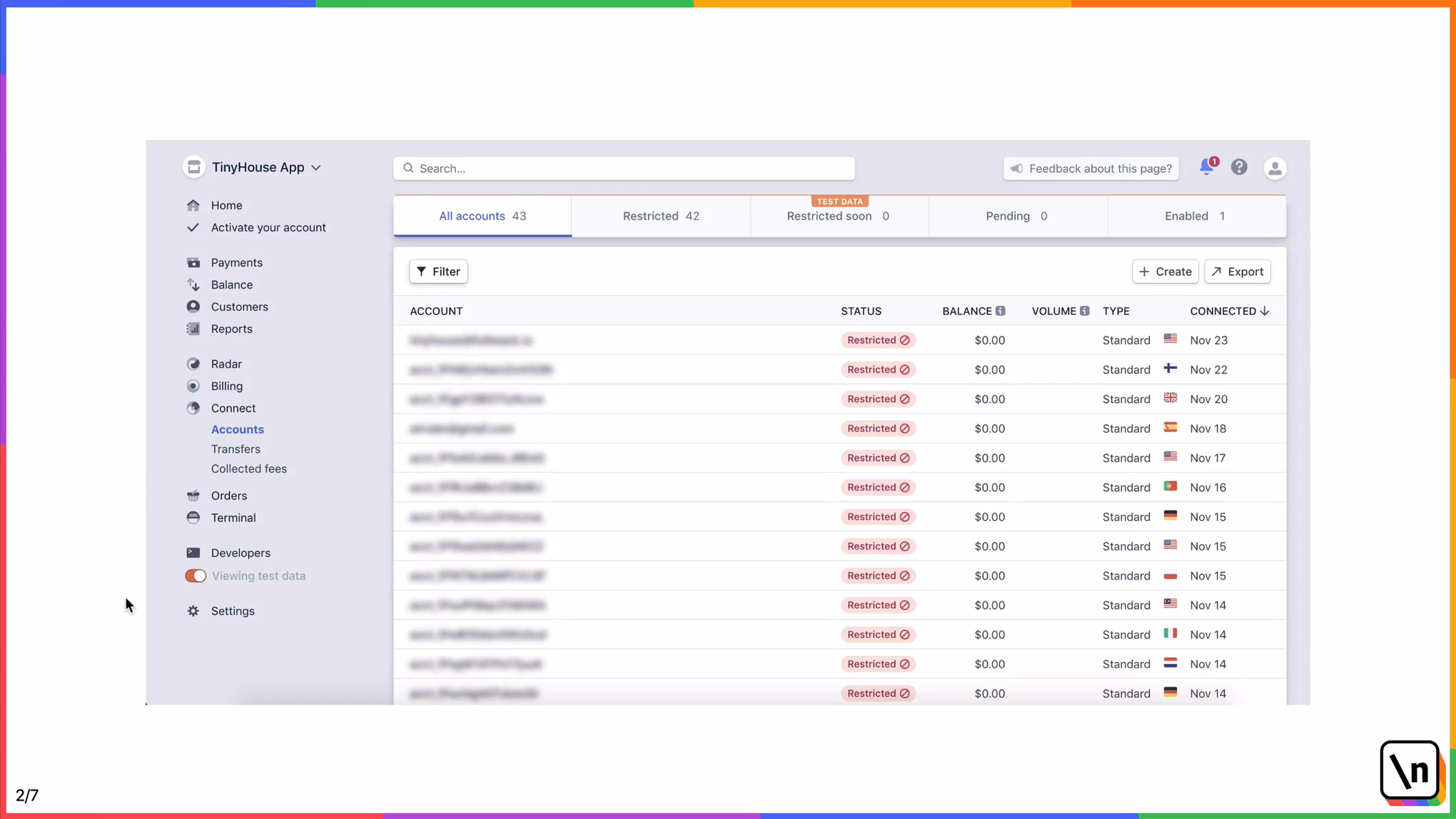
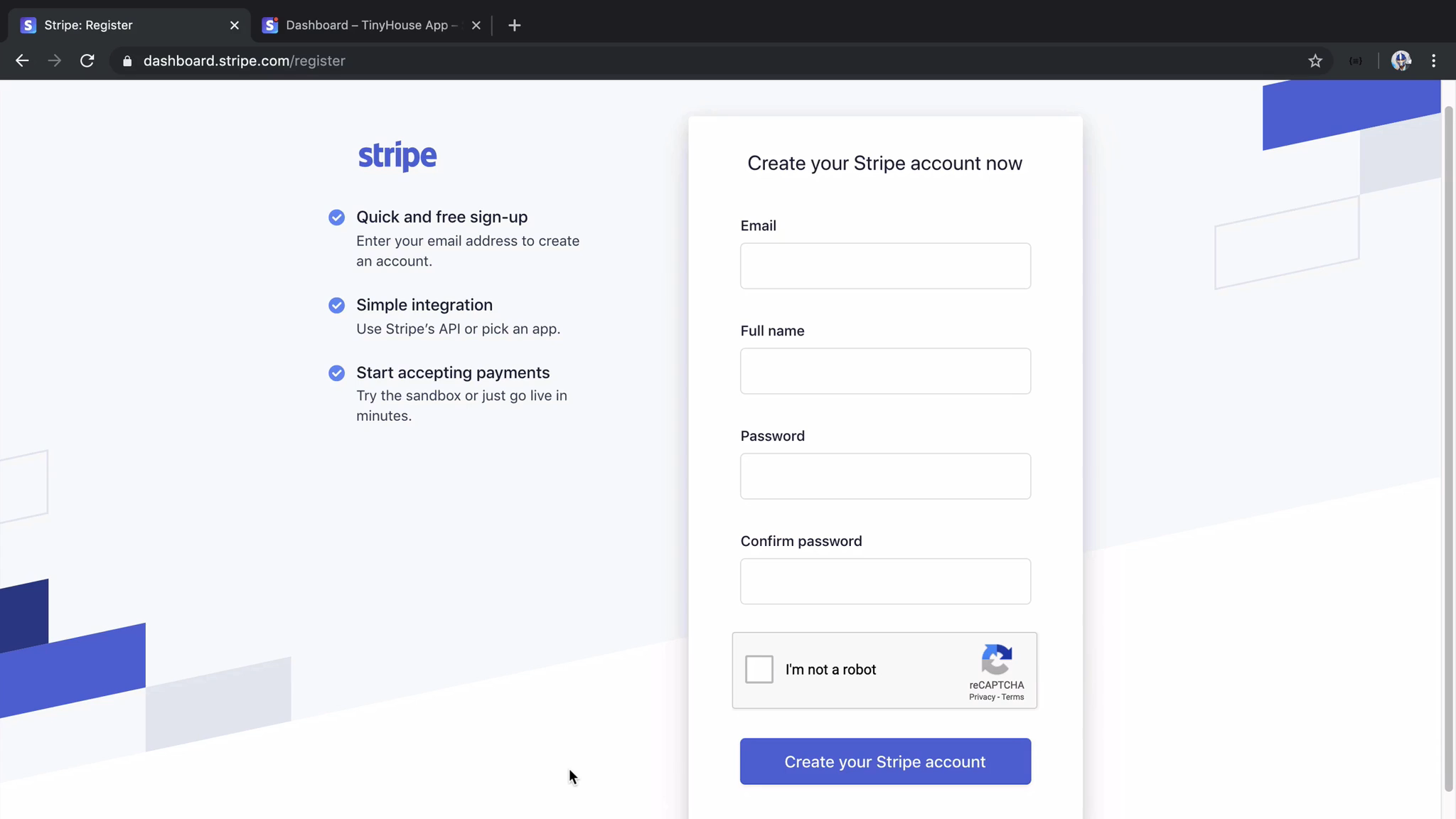
How to Get Stripe Connect OAuth Credentials for PaymentsTinyHouse: A Fullstack React Masterclass with TypeScript and GraphQL - Part TwoWhen a user in our application plans to host a listing, we'll need to ensure they've connected to their own Stripe account through our Stripe platform account. This is to leverage Stripe Connect's capability to pay the users who have listings in our app when a booking is made. In this lesson, we'll set up the credentials we'll need from Stripe and save them as environment variables for both our server and client projects.
lesson
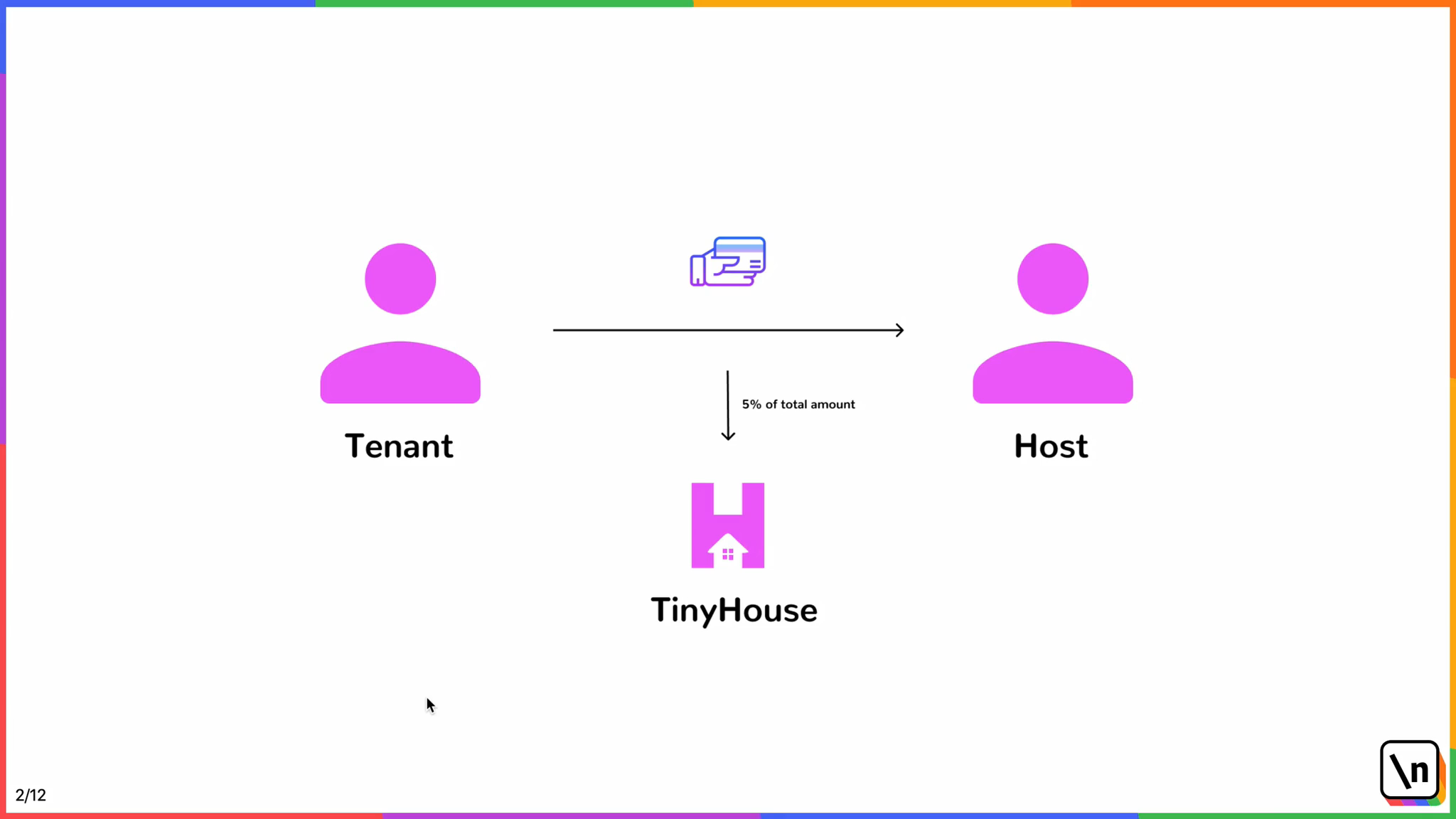
Building a Payment Platform With Stripe and Stripe ConnectTinyHouse: A Fullstack React Masterclass with TypeScript and GraphQL - Part TwoIt's finally time we talk about payments! The business model of TinyHouse is an online marketplace where users can host and book listings. In this lesson, we'll learn about how we intend to have TinyHouse be a marketplace by using the third-party payment platform - Stripe.

lesson
Module 10 IntroductionTinyHouse: A Fullstack React Masterclass with TypeScript and GraphQL - Part TwoThis is an introduction to the work we'll be doing in Module 10.0.

lesson
Module 9 SummaryTinyHouse: A Fullstack React Masterclass with TypeScript and GraphQL - Part TwoThis lesson is a summary of the work we've done in Module 9.0.
lesson
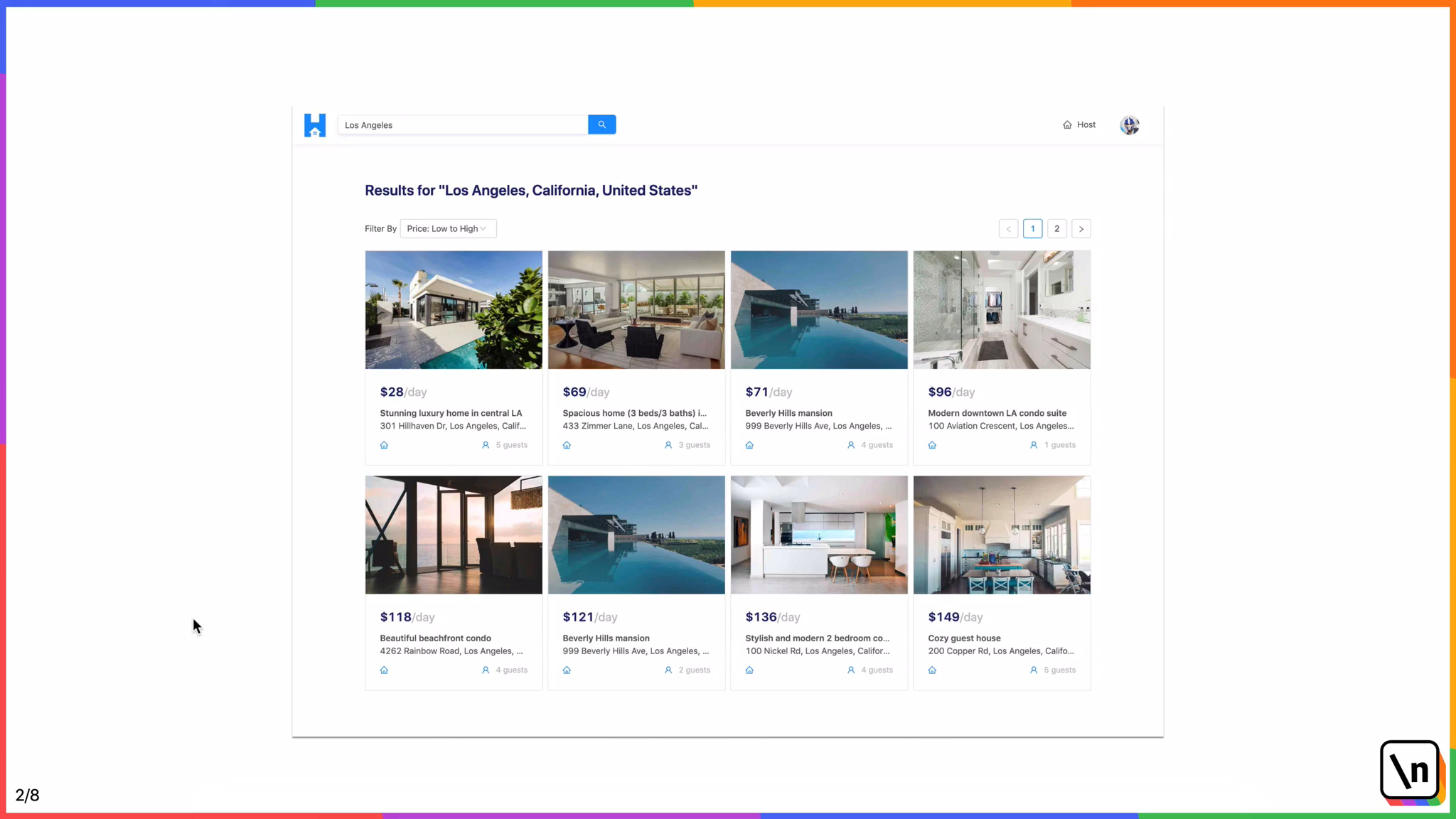
How to Index Location Search Results With MongoDB IndexesTinyHouse: A Fullstack React Masterclass with TypeScript and GraphQL - Part TwoAt this moment in time, we've introduced the capability to have our client application query for listing documents for different locations. In this lesson, we'll investigate and discuss indexes within MongoDB and see how can index location-based data from the "listings" collection in our database.
lesson
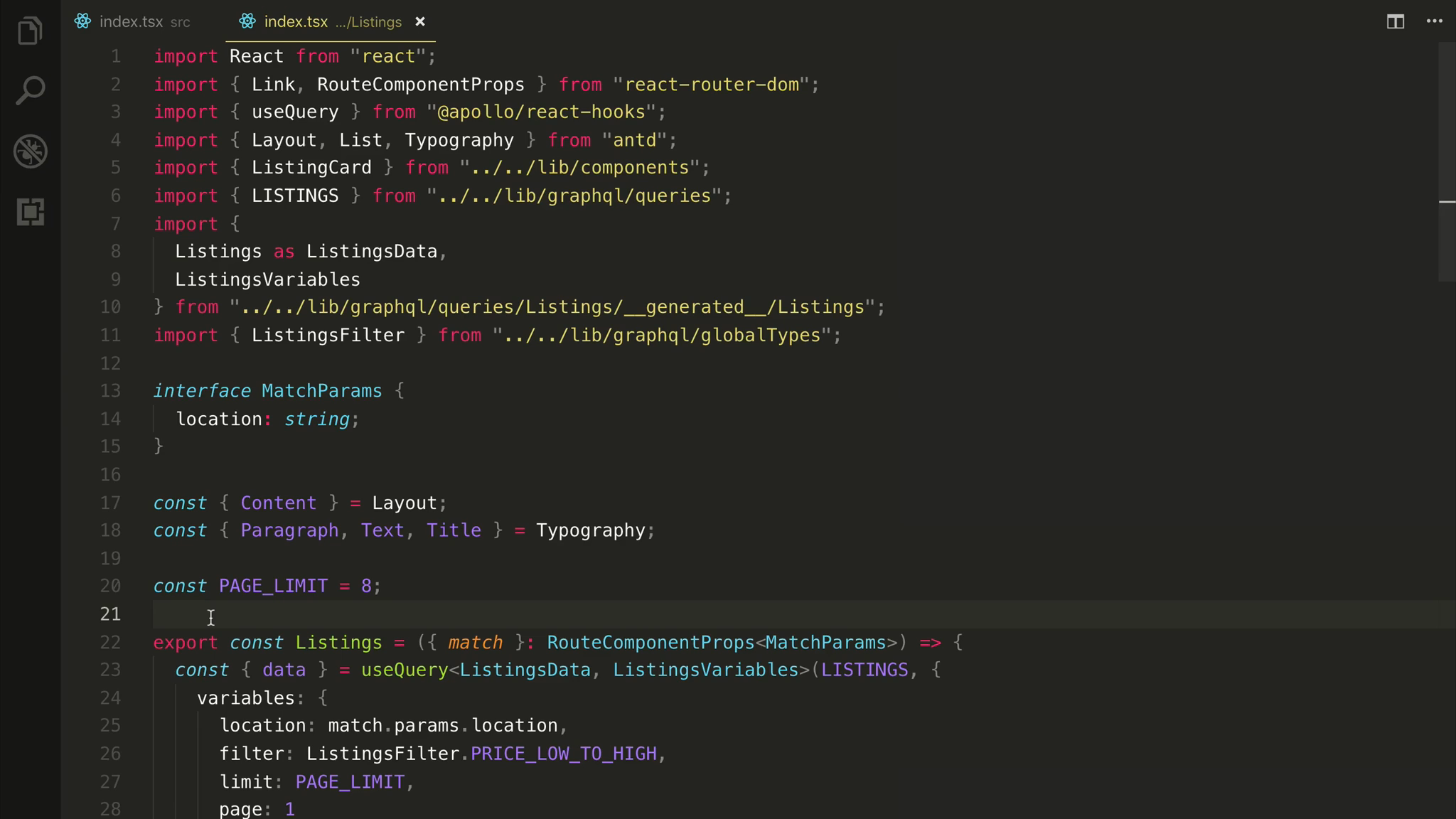
Building Filters and Pagination in React [with examples]TinyHouse: A Fullstack React Masterclass with TypeScript and GraphQL - Part TwoAt this point, we have a page displayed in the `/listings/location?` route that surfaces up to eight different listing cards for listings that exist in certain locations. In this lesson, we'll create the capability for a user to filter and paginate the information presented to them in the listings page.

lesson
Building a Location-Based Listings Search Page in ReactTinyHouse: A Fullstack React Masterclass with TypeScript and GraphQL - Part TwoWith our `listings` field in our GraphQL API prepared to accept a `location` argument, we'll begin to work on the client app to build the `/listings/:location?` page for where certain listings can be shown for specific locations.